
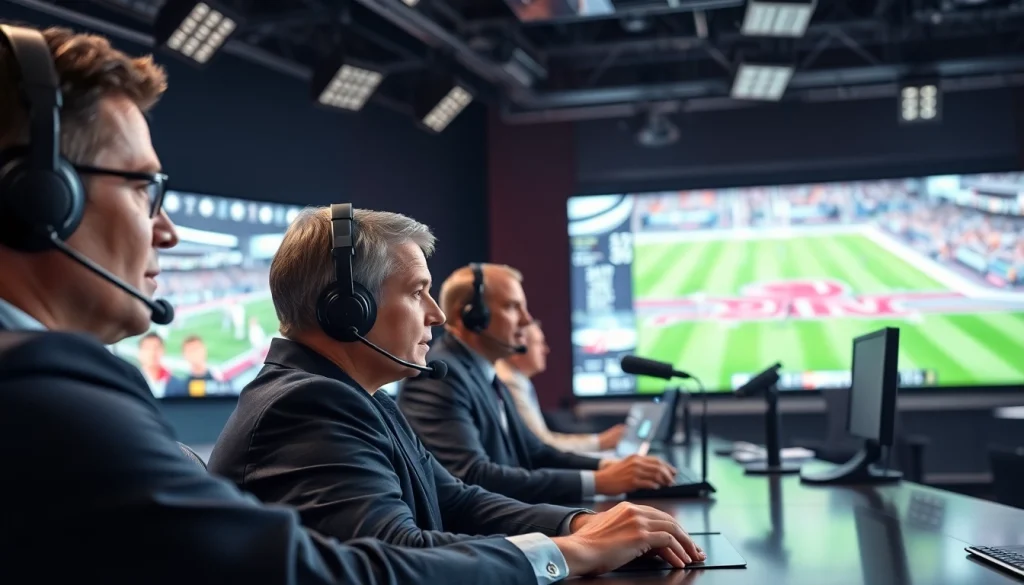
Understanding Sports Broadcasting
Sports broadcasting has become a cornerstone of modern entertainment, blending the thrill of live sports with the accessibility of media technology. This unique intersection allows fans to engage with their favorite sports from nearly anywhere in the world. By exploring Sports Broadcasting, we can unravel its layers – from the history and technology involved to its evolving nature in the digital age. This article will delve into the various dimensions of sports broadcasting, providing comprehensive insights into its components, challenges, best practices, and emerging trends.
What is Sports Broadcasting?
Sports broadcasting is the distribution of sports content to audiences via various media platforms. It encompasses live events, analysis, discussions, and highlights, providing fans with an array of ways to consume sports. The primary goal of sports broadcasting is to deliver engaging and informative content that captivates viewers, keeping them updated on games, scores, and player statistics. As a rapidly growing industry, it plays a significant role in shaping fan experiences and engagement.
History and Evolution of Sports Broadcasting
The roots of sports broadcasting can be traced back to the early 20th century when radio first began transmitting live sports events. The first known sports broadcast occurred in 1921, featuring a boxing match between Jack Dempsey and Georges Carpentier. Television took sports broadcasting to a new level in the 1940s, with the first televised baseball game airing in 1939. Over the decades, the industry’s evolution has been marked by technological advancements, from black-and-white broadcasts to color and high-definition formats. The rise of cable television and satellite broadcasting further democratized sports media, creating niche channels dedicated exclusively to sports.
The Role of Technology in Sports Broadcasting
Technology serves as the backbone of sports broadcasting, enabling the seamless transmission of high-quality content to audiences worldwide. Innovations such as high-definition cameras, aerial drones, and multi-angle viewing options enhance the viewing experience. Moreover, internet streaming platforms and mobile applications have transformed how fans access content, allowing for on-demand and live streaming options that cater to various preferences. The integration of analytics and data visualization has also improved storytelling in broadcasts, offering viewers deeper insights into games and player performance.
Key Components of Sports Broadcasting
Broadcasting Equipment and Technology
Broadcasting sports events requires state-of-the-art equipment to ensure high-quality transmission. Essential tools include cameras capable of capturing fast-paced action, audio equipment for clear commentary, and broadcasting software for seamless integration. Additionally, graphics and animation technologies are employed to present game statistics and player data engagingly. The use of 5G technology and broadband internet has further augmented the capabilities of sports broadcasting, allowing for real-time updates and interactive features.
Types of Sports Broadcasting Rights
Sports broadcasting rights refer to the licenses that networks or platforms obtain to air specific sporting events. They can be categorized into domestic rights, which pertain to a particular country’s broadcasting, and international rights, allowing networks access to global audiences. These rights often vary in value, influenced by factors like the popularity of the sport, the league, and the geographical market. Negotiating these contracts is a vital part of the sports broadcasting industry, often resulting in multi-million dollar deals that determine how sports content is disseminated.
Different Forms of Sports Broadcasting
Sports broadcasting can take multiple forms, each tailored to provide distinct experiences for viewers. Traditional broadcast television has been the cornerstone, complementing radio broadcasts for live event coverage. As the media landscape evolved, streaming platforms emerged as significant players, offering fans the flexibility to watch events on-demand. The rise of social media has also introduced platforms where highlights and behind-the-scenes content engage younger audiences. Moreover, niche channels focusing on specific sports or leagues provide dedicated content, fostering a more passionate community.
Challenges in Sports Broadcasting
Regulatory Challenges in Sports Broadcasting
Sports broadcasting is subject to numerous regulations that vary by region. These include content restrictions, advertising guidelines, and copyright laws that can significantly impact how events are aired. Navigating this complex regulatory landscape often requires networks and streaming platforms to engage legal experts to ensure compliance while maximizing their broadcasting capabilities. The challenge lies in balancing the need for lucrative advertising while adhering to guidelines that protect viewer interests and promote fair competition.
Adapting to Digital Changes
With the rapid rise of digital media, traditional broadcasters face the challenge of adapting to a new landscape that prioritizes online content consumption. The shift towards on-demand viewing necessitates structural changes within organizations, including the implementation of new technology and strategies to capture digital audiences. Broadcasters must also ensure that their content remains engaging across various platforms, catering to diverse viewing habits that include mobile devices, tablets, and smart TVs.
Viewership Trends and Audience Engagement
Understanding viewership trends is essential for sports broadcasters as they strive to engage their audiences effectively. The trend towards binge-watching and shorter attention spans has led networks to rethink their content strategies, creating snippets, highlights, and interactive experiences. Additionally, fan engagement through social media platforms has emerged as an integral component of broadcasting strategy, allowing for real-time communication, feedback, and content sharing that enhances the overall viewer experience.
Best Practices for Effective Sports Broadcasting
Enhancing Audience Experience
To captivate audiences, sports broadcasters must prioritize enhancing the viewer experience. This can involve developing high-quality graphics and real-time statistics, engaging commentators who offer insightful analysis, and creating immersive viewing options such as virtual reality experiences. Additionally, optimizing broadcasts for different streaming devices can ensure that whether a fan is watching on a smartphone or a 65-inch TV, they receive a consistent and enjoyable experience.
Utilizing Social Media for Fan Engagement
Social media platforms play a pivotal role in engaging fans beyond traditional broadcasts. Successful sports broadcasting extends into these platforms, using them for real-time updates, behind-the-scenes content, and interactive polls or Q&As that foster a strong community feeling among fans. By leveraging social media analytics, broadcasters can better understand audience preferences, enabling more targeted and effective engagement strategies.
Collaborating with Brands and Sponsors
Brand partnerships can significantly enhance sports broadcasting by providing additional resources and avenues for content creation. Collaborating with brands for sponsorships, advertisements, and co-branded content can add value to broadcasts, integrating product placements seamlessly into the viewing experience. Content-focused partnerships can also lead to special features, interviews, and collaborative programming, enriching the content available to viewers while generating additional revenue streams.
The Future of Sports Broadcasting
Trends Shaping Sports Broadcasting
Sports broadcasting is continuously evolving, with several trends shaping its future. The increasing automation of broadcasting processes, driven by AI and machine learning, allows for more efficient production workflows. Furthermore, personalization is becoming a focus, where viewers can choose camera angles, commentary styles, and additional content to tailor their viewing experience. This shift towards customization is driven by data analytics and viewer preferences, making each broadcast unique to its audience.
Impact of Virtual and Augmented Reality
Virtual and augmented reality (VR and AR) technologies are set to revolutionize sports broadcasting, offering immersive experiences that transport viewers into the heart of the action. These technologies can create interactive viewing experiences, allowing fans to feel as if they are practically on the field or court. For instance, AR applications can enhance broadcasts by overlaying critical statistics or player data in real-time, whereas VR provides an immersive experience that could transform how fans participate in sports.
Predictions for the Next Decade in Sports Broadcasting
As we look towards the next decade, the landscape of sports broadcasting is likely to evolve dramatically. We will see greater integration of technology, increased collaboration across platforms, and a stronger focus on sustainability in operations. Broadcasts will continue to adapt to viewer preferences with increased interactivity, personalization, and an emphasis on engaging younger audiences. The role of data analytics will also amplify, crafting broadcasts based on insights gained from viewer interactions and preferences.
Frequently Asked Questions
What does sports broadcasting involve?
Sports broadcasting involves the live transmission of sports events, commentary, analysis, and highlights across various media platforms to engage audiences worldwide.
How has technology impacted sports broadcasting?
Technology has enhanced sports broadcasting through high-definition visuals, real-time statistics, and interactive features, improving audience engagement and experience.
What are broadcasting rights?
Broadcasting rights are licenses that networks purchase to air specific sports events, often affecting the availability and format of the content they share.
How can social media enhance sports broadcasting?
Social media enhances sports broadcasting by providing real-time updates, engaging content, and interactive experiences that build community among fans.
What does the future hold for sports broadcasting?
The future of sports broadcasting is likely to feature greater personalization, immersive technologies like VR and AR, and increased viewer interactivity, shaped by evolving consumer preferences.