
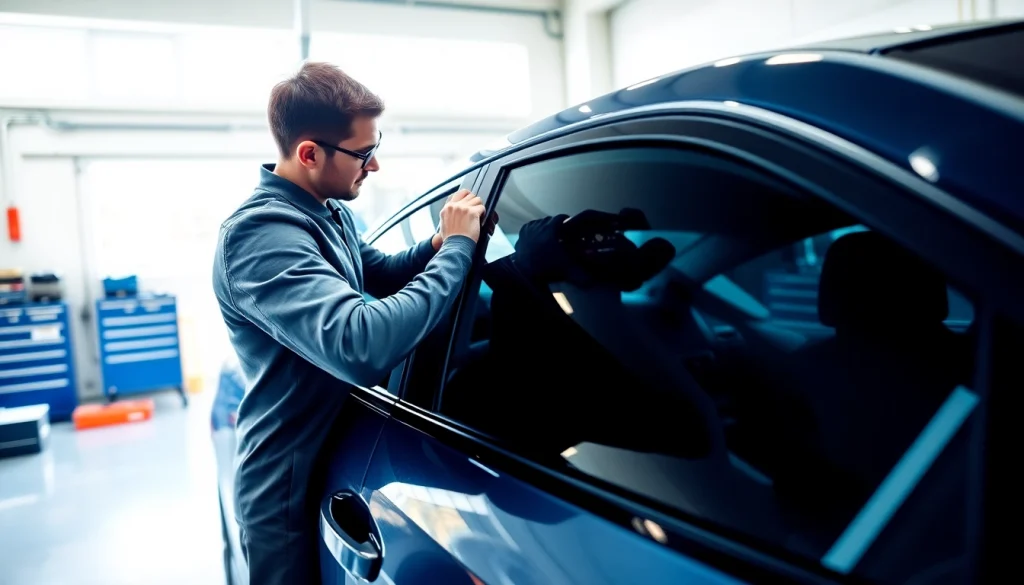
Understanding Auto Window Tint and Its Benefits
What is Auto Window Tint?
Auto window tint is a thin film that is applied to the windows of vehicles to enhance their aesthetics, privacy, and functionality. Made from a variety of materials such as polyester and metallic layers, window tint serves multiple purposes like reducing glare, blocking harmful UV rays, and improving energy efficiency. Whether you’re driving in bright daylight or parked under the sun, a quality window tint ensures that you have a more comfortable experience inside your vehicle.
Key Advantages of Auto Window Tint Near Me
Choosing to get auto window tint near me offers numerous benefits:
- Increased Privacy: Tinted windows deter peering eyes, providing additional privacy for you and your belongings.
- UV Protection: Tints can block up to 99% of harmful UV rays, protecting your skin and interior from fading.
- Temperature Management: Window tints keep your car cooler by reflecting sun rays, reducing the need for air conditioning and improving fuel efficiency.
- Enhanced Appearance: Aesthetic appeal can be significantly improved with high-quality tinting, giving your vehicle a sleek and modern look.
Common Myths About Window Tinting
Despite its myriad advantages, misconceptions about window tinting abound. Here are a few common myths:
- Myth 1: All tints are illegal. Reality: Window tint regulations vary by state, and many legal options are available.
- Myth 2: Tint ruins visibility. Reality: High-quality tints actually enhance visibility by blocking glare without obstructing light.
- Myth 3: Tint will fade quickly. Reality: Premium tints come with warranties and are designed to last for many years without significant fading.
Choosing the Right Auto Window Tint for Your Vehicle
Types of Window Tints Available
When selecting the right auto window tint for your vehicle, it’s essential to understand the different types available:
- Dyed Tint: This is the most cost-effective option and works by absorbing heat and UV rays. While it is less reflective, it can fade over time.
- Metalized Tint: Metal particles are embedded in the film, offering increased durability and heat rejection. However, it can interfere with electronic signals.
- Hybrid Tint: This type blends dyed and metalized films for optimal performance and appearance. It retains heat rejection while minimizing signal interference.
- Ceramic Tint: An advanced option that provides high heat rejection without being dark, thus maintaining visibility. It’s more expensive but durable.
Factors to Consider When Selecting Tint
When choosing window tint, consider the following factors:
- Aesthetic Preference: Different tints have varied appearances, affecting the overall look of your vehicle.
- Legal Limitations: Check local laws regarding tint darkness and reflectivity to ensure compliance.
- Budget: Various tints come at different price points; select one that offers the desired benefits while fitting your budget.
Legal Regulations for Window Tinting
Each state has its own laws concerning window tinting, which include regulations on permissible darkness and reflectivity levels for vehicle windows. For instance, some states may allow for darker tints on the rear windows but have strict limitations for front windows. Always verify your local regulations before having your windows tinted to avoid fines and ensure compliance.
Finding Professional Auto Window Tint Services Near You
How to Search for Services Effectively
When searching for auto window tint services, start with online searches using phrases like “auto window tint near me.” Use platforms such as Google Maps to locate businesses in your vicinity. Additionally, check social media platforms for local recommendations and promotions that might not be advertised elsewhere.
Evaluating Service Quality and Experience
Look for service providers with experience in auto window tinting. Evaluate their portfolio to see previous work and gauge quality. Certifications and training can also indicate a higher skill level. Ask how long they’ve been in business; seasoned professionals are more likely to deliver satisfactory results.
Reading Reviews and Seeking Recommendations
Reading customer reviews can provide insight into the quality of service offered by a tinting company. Platforms like Yelp or Google Reviews can be beneficial resources. Furthermore, ask friends or family for recommendations based on their experiences, as personal insights often point to reliable services.
The Window Tint Installation Process
Preparation Before Installation
Before installation, ensure the vehicle is clean and free of any debris, as dirt can interfere with adhesion. Remove old tints if necessary. Professionals will typically handle this, but if you’re engaging in DIY, gather materials and prepare your workspace adequately.
Step-by-Step Installation Guide
The actual installation of window tint involves several key steps:
- Measure the Windows: Accurate measurements are crucial for custom-fitting the tint.
- Cut the Film: Using precise measurements, cut the tint to fit the specific windows.
- Prep the Film: Soak the film in a mixture of water and soap to facilitate application.
- Apply the Tint: Position the tint on the window, starting from the top and working your way down to eliminate air bubbles.
- Trim Excess Film: Use a razor blade to remove excess film for a clean edge, ensuring a professional look.
- Allow to Cure: It’s important to avoid rolling the windows down for a few days after installation to allow the adhesive to cure properly.
Post-Installation Care for Your Tint
After installation, proper care is essential for longevity. Avoid washing your vehicle for at least a week, which gives the tint ample time to adhere. When cleaning, use a soft cloth and avoid ammonia-based cleaners that can damage the tint. Regular maintenance includes inspection for bubbles or peeling, which may require professional evaluation and repair.
Maintaining Your Auto Window Tint
Best Practices for Long-Lasting Tint
To extend the life of your tint: regularly clean the glass with a soft cloth, avoid abrasive cleaning tools, and shield the windows from direct sunlight when possible. Ensure that any scratches or mildew are treated promptly to maintain appearance and effectiveness.
Signs Your Tint Needs Replacement
Excuse signs of aging, such as fading, bubbling, or peeling edges. If the tint allows sunlight to filter through, it may signify it’s compromised. A professional assessment can help determine if a replacement is necessary.
Frequently Asked Questions About Window Tinting
Can window tint interfere with my car’s electronics?
High-quality films, especially ceramic tints, are designed not to interfere with electronic signals. Cheaper options may have metallic components and can cause interference.
How dark can I legally tint my windows?
Legal tint darkness varies by state. Most states allow some level of tint on rear windows but have strict regulations on front side windows and windshields.
How long does window tint last?
Quality window tints can last up to 10 years or more with proper care. Regular maintenance is key to prolonging its life.
Is window tint visible from the outside?
Yes, the visibility of window tint from the outside depends on the darkness and type of tint chosen. Lighter films are less noticeable, while darker ones provide better privacy.
Can I remove window tint myself?
While it’s possible to remove tint yourself, it’s best done by professionals to avoid damage to the window or adhesive residue. If you’re not confident, seek professional help.